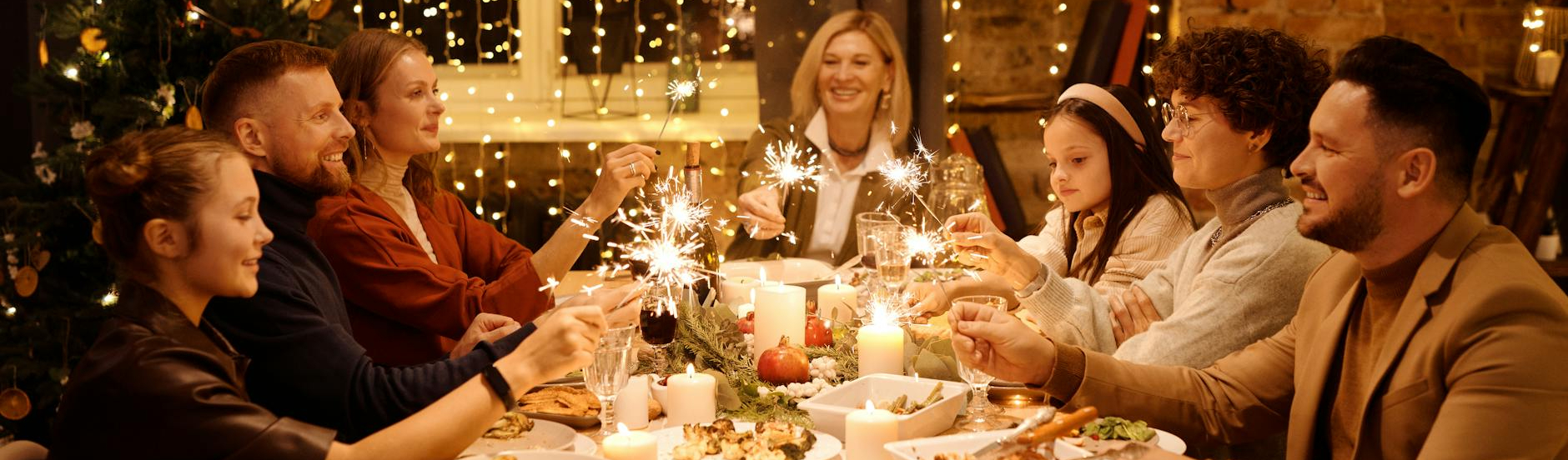

The holiday season often invokes feelings of warmth, joy, and togetherness. However, for many, particularly during holiday celebrations with extended family, it can also bring challenges and discomfort. Among the festive gatherings, it is not uncommon to encounter toxic individuals whose covert forms of abuse—such as passive-aggressive remarks or sarcastic comments—can turn a joyous occasion into a minefield of emotional tension. Adding the element of alcohol further complicates these dynamics.
The Dilemma of Passive-Aggression
Passive-aggressive behavior can manifest in various ways during family gatherings, especially when tensions are high. Individuals may make subtle digs or sarcastic comments that cut deep, often disguised as humor. These remarks might address vulnerabilities or sensitive topics, making them particularly difficult to confront. The perpetrator most likely will deny that they are intentionally trying to hurt you and gaslight you if you try. When combined with alcohol, these comments can become even sharper, as lowered inhibitions may lead to more overtly hurtful behaviors.
The Complicating Role of Alcohol
Alcohol tends to lower inhibitions and can lead individuals to express thoughts or feelings they might otherwise keep to themselves. This often means that toxic individuals may feel emboldened to make snide comments or escalate their passive-aggressive behavior. In a festive atmosphere, where everyone is supposed to be uplifting and merry, such remarks detract from the spirit of kindness and celebration, leaving victims feeling vulnerable and exposed. Additionally, the intoxication can create a false sense of intimacy, encouraging individuals to share critical observations that can cross personal boundaries and unleash hurtful truths ill-suited for the holiday environment.
The Role of Envy and Self-Esteem
Understanding the motives behind these toxic behaviors is crucial. Often, the underlying issue stems from envy, particularly among women, who might compare their lives to those of their peers. This envy can be rooted in feelings of inadequacy or dissatisfaction with their own lives. When feeling trapped in a cycle of bills and responsibilities, they may lash out at those they perceive as happier. Alcohol can magnify these emotions, intensifying feelings of jealousy and leading to inappropriate comments that sting even more.
The Complication of Non-Blood Relatives
The situation can become even more challenging when the toxic individual is a non-blood relative who has married or is dating your blood relative. Such individuals may feel envious of the close relationship you have with your loved one and might engage in toxic behavior to create distance between you and them. Under the influence of alcohol, their remarks can become more pointed, and their attempts at manipulation can escalate, complicating the dynamics even further. Your relative may be oblivious to these actions, which can add to the emotional turmoil of the situation.
Surreal Experiences of Covert Abuse
A friend recently shared an experience that illustrates this challenging dynamic. During a holiday gathering, a non-blood relative married to a cousin my friend was particularly close to gave her a decoration of a symbol widely understood as an insult in most cultures. This obviously passive-aggressive woman explained her odd gift, as my friend looked on perplexed, as “something she bought to support some cause.” If my friend were to point out the obvious universal insult, it would likely lead to denial, leaving no room for productive discussion and making my friend appear to be the one creating a conflict out of nothing. When fueled by alcohol, envy or jelousy, such behavior becomes more frequent and even harder to challenge, as the perpetrator can easily dismiss it with a “just joking” excuse. These are not jokes or helping some cause; they are attempts to emotionally hurt someone, and toxic individuals are particularly adept at this.
Strategies for Coping
Navigating family dynamics during the holidays, especially with toxic individuals and alcohol present, requires strategy and self-care. Here are some tips that may help:
- Set Boundaries: Determine what kinds of comments you will tolerate and communicate your boundaries firmly but respectfully. If a pattern of behavior emerges, remind them that passive-aggressive comments are inappropriate. Don’t explain yourself, just let them know you are aware of their passive-aggressive behavior and they probably are too.
- Stay Grounded: Engage in mindfulness practices to help you center yourself. When receiving hurtful comments, take a deep breath and remind yourself that their words reflect more about their struggles than your worth.
- Moderate Alcohol Consumption: If you’re hosting or can influence the gathering, consider offering a range of beverages, including non-alcoholic options, to promote moderation and reduce potential conflicts.
- Seek Support: Surround yourself with supportive, kind, and respectful family and/or friends who uplift you. Having allies can reinforce your boundaries and provide a buffer against negativity.
- Express Concerns Wisely: If you feel comfortable, gently address the behavior of the toxic individual. Approach the conversation with care, focusing on how the behavior makes you feel rather than making accusations.
- Self-Reflection: Take time to reflect on the positive aspects of your life. Write down your accomplishments and what you are grateful for—this can help combat feelings of hurt elicited by toxic comments.
While holiday celebrations should ideally be about kindness, generosity, and joy, it can also bring about uncomfortable encounters with toxic family members and non-blood related relatives who may harbor envy and express it through covert abuse. Recognizing these challenges, particularly those amplified by alcohol, and employing strategies to navigate them can help you protect your emotional well-being during the holiday season. Remember, you deserve to celebrate in an environment filled with love and respect, and it’s okay to prioritize your happiness and mental health amidst the festivities. By understanding the motivations behind toxic behavior and taking proactive steps, you can create a buffer against negativity and hold onto the joy that the holiday season is meant to bring. As you navigate this complex terrain of family dynamics and alcohol-fueled challenges, focus on fostering positive relationships and cherishing the moments that bring you genuine happiness. With the right strategies and a commitment to your own well-being, you can enjoy a more harmonious holiday season, free from the burdens of toxic interactions, cherished memories and harmonious relationships!
About Isobel Gardner
Isobel Gardner is a US and UK licensed integrative psychotherapist dedicated to empowering her clients to navigate life’s challenges, including anxiety, trauma and addiction. Isobel seamlessly integrates evidence-based tools such as Mindfulness, CBT and EMDR to facilitate healing and growth. In addition, she draws on ancient wisdom from around the world to enrich her practice. With compassion and expertise, she helps clients overcome some of life’s most difficult challenges, guiding them on their path to self-discovery, healing and transformation. Read more about Isobel.