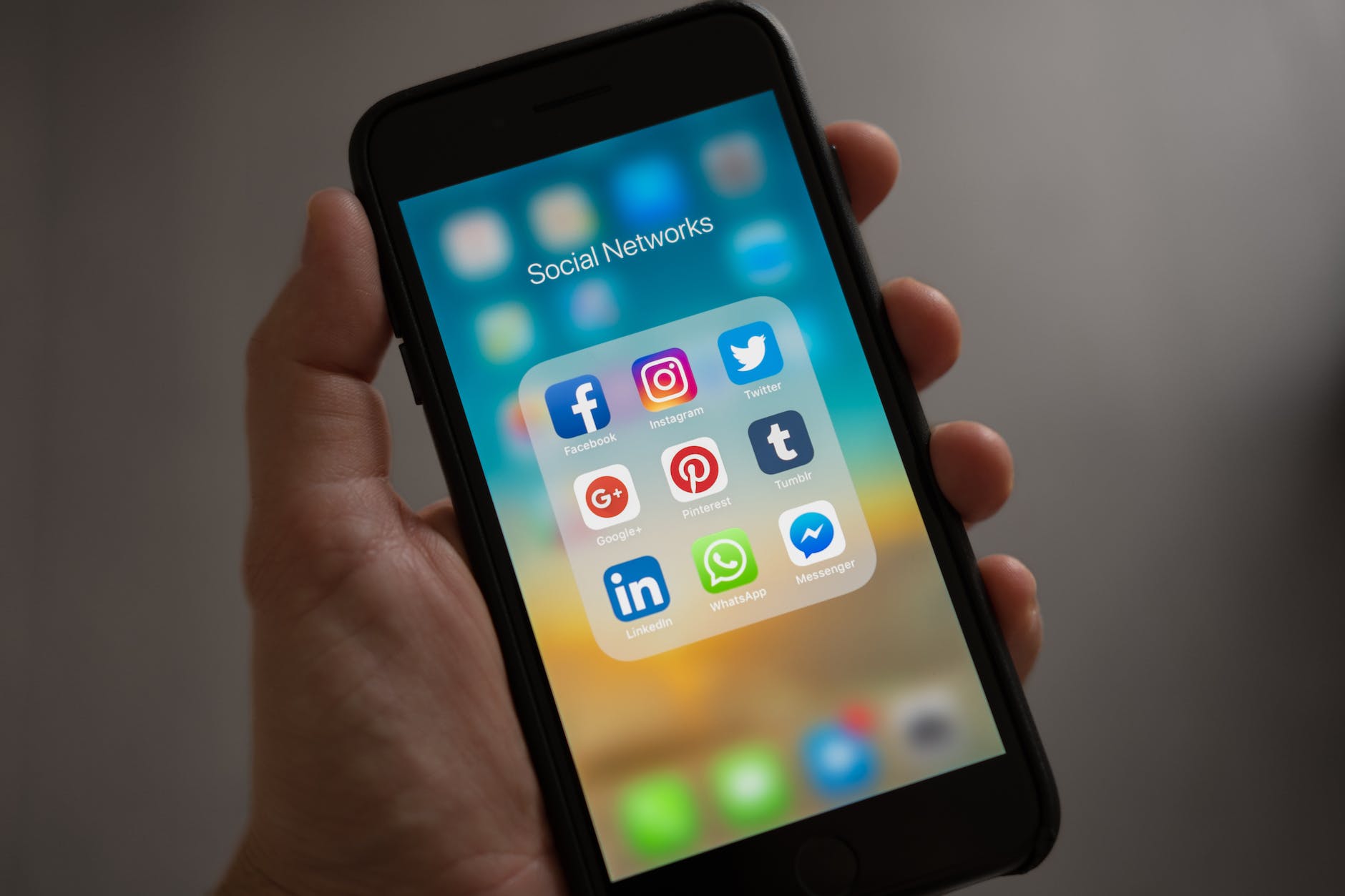

In today’s fast-paced world, it’s no secret that social media platforms like Facebook and Instagram have become an integral part of our lives. They serve as a means of connection, information sharing, and self-expression. However, what many of us fail to realize is the toll that constant engagement with these platforms can take on our mental and emotional well-being. In this blog, I want to share my personal journey of deleting my Facebook and Instagram accounts and how it felt like a pressure lifted off my shoulders. I’ll also explore the potential harm social media can cause and why I no longer feel the need for it in my life.
As an extrovert who has lived in different countries, social media had always been my go-to method for communicating and connecting with friends and family spread across the globe. It allowed me to share my experiences, adventures, and thoughts, bridging the gap of physical distance. I relished the joy of sharing and felt a sense of fulfillment when my posts garnered likes and comments.
Over time, however, I began to notice a shift in the dynamics of social media. The joy I once derived from sharing started to wane, replaced by a growing awareness of the harm it can inflict. Posts and stories, seemingly harmless on the surface, can stir up emotions we might not even be aware of. What’s worse, these emotions can manifest in the form of hurtful comments or projections that are toxic both for the person posting and the person reacting to the posts.
Numerous studies have highlighted the harmful effects of social media on mental health. One particular issue is the human tendency to compare ourselves to others rather than being inspired by them. It’s a trap we often fall into, and the impact largely depends on our mental and emotional state at the time. On a good day, a post might inspire us, but on a bad day, it can trigger feelings of inadequacy, jealousy, or resentment. The constant stream of carefully curated content can lead to unhealthy comparisons, and the pursuit of validation through likes and comments can become an obsession. On the past couple of years there has been a lot of studies on the negative impact social media can have on our mental health, here are som examples:
Increased Anxiety and Depression: According to a study published in JAMA Pediatrics, the use of social media among adolescents has been associated with a significant increase in self-reported high levels of depressive symptoms. In fact, the study found that adolescents who spent more than 3 hours per day on social media were more likely to report high levels of internalizing behaviors, such as depression and anxiety.
Negative Body Image: A report by the Royal Society for Public Health in the UK revealed that platforms like Instagram are linked to feelings of inadequacy and poor body image. It found that 91% of 16 to 24-year-olds use the internet for social networking, with Instagram ranked as the worst platform for mental health.
Reduced Real-Life Social Interaction: A survey conducted by the Pew Research Center found that 28% of social media users felt that they had missed out on important life moments because they were too busy trying to document or share them on social media. This constant distraction can hinder real-life social interactions and experiences.
Cyberbullying and Harassment: According to the Cyberbullying Research Center, about 37% of young people in the United States have experienced cyberbullying, and 30% have admitted to having been involved in it to some extent. Social media platforms can facilitate anonymity, making it easier for individuals to engage in hurtful behaviors.
Fear of Missing Out (FOMO): A study published in the Journal of Social and Clinical Psychology found that limiting the use of social media to 30 minutes per day led to significant reductions in levels of depression and loneliness. One of the key factors contributing to these improvements was a reduction in FOMO, which is often triggered by seeing others’ seemingly perfect lives on social media.
Addiction and Screen Time: The Global Digital Report 2021 by We Are Social and Hoot suite reported that the average person spent over 2.5 hours per day on social media platforms. Excessive screen time can lead to sleep disturbances, decreased productivity, and a decline in overall well-being.
These statistics underscore the multifaceted harm that social media can inflict on both those posting content and those consuming it. While social media has its benefits, it’s crucial to be aware of the potential negative consequences and find a healthy balance between online and offline life to safeguard our mental and emotional health. Taking a break from social media can be a proactive step in this direction.
For me, these negative aspects of social media began to overshadow the positive ones. I started feeling burdened to make posts about my life and respond to messages. I also found myself spending an inordinate amount of time scrolling through my feed, often mindlessly watching stories about strangers or cute animals doing cute things. It became apparent that social media was taking time away from other more important things. I would also use social media to relax away from work but more stimulation is not going to make me feel less stress. What my mind really needs is to mediate or just go for a walk in the park. So, I took a bold step and decided to delete my personal Facebook and Instagram accounts. Initially, I was apprehensive, fearing that I might lose touch with friends and family. However, what I experienced was quite the opposite. The weight that had been on my shoulders for so long was suddenly lifted. I felt and still feel liberated.
Now, instead of scrolling through my feed, I use my free time for activities that truly nurture my well-being. I meditate to find inner peace, read to expand my knowledge, and write to express my thoughts and creativity. These activities allow me to evolve as a human being and contribute positively to the world without causing harm to anyone.
Taking a break from social media can have profound benefits for your mental and emotional health. While it might initially seem daunting, the freedom and peace of mind it can offer are worth the adjustment. Remember that you are not alone in feeling the need to disconnect from the digital world; many people are discovering the joy of living in the moment and nurturing meaningful offline connections. So, if you’ve been contemplating taking a break, I encourage you to do so and experience the liberation that comes with it.
Isobel Gardner is a bi-lingual licensed psychotherapist and certified Mindfulness coach and facilitator offering her services in London and worldwide online.